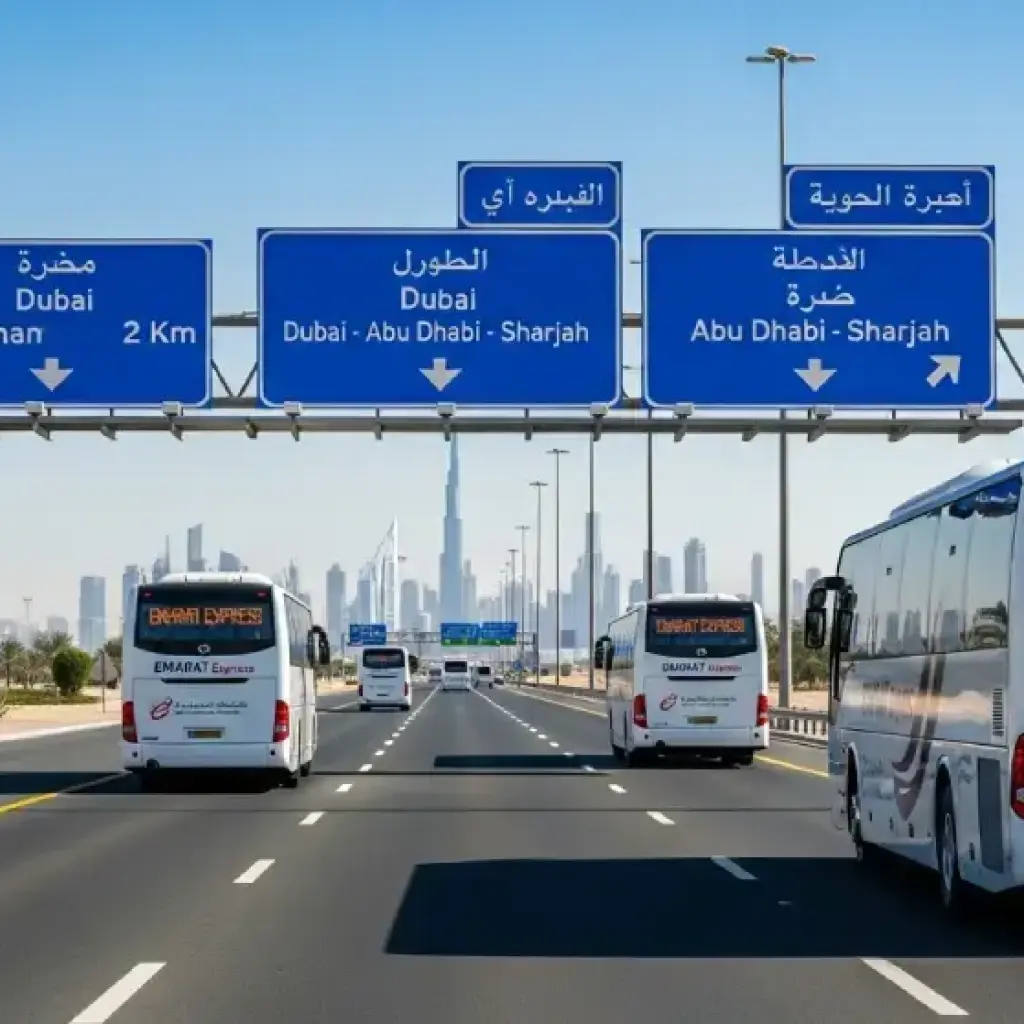
The United Arab Emirates is known for its impressive highways and luxury cars, but not everyone wants to drive from one emirate to another. For residents, tourists, and workers, public transport across the UAE is not just affordable — it’s also comfortable, clean, and remarkably well-organized. Whether you want to visit Abu Dhabi’s attractions, explore Sharjah’s heritage sites, or enjoy Fujairah’s beaches, you can easily travel between emirates using buses that run every day of the week.
This complete guide explains how to travel between the seven emirates using public transport — including popular routes, fares, timings, and tips to make your journey easy and stress-free.
Why Choose Public Transport Between Emirates
Over the years, the UAE has built one of the best intercity bus networks in the Gulf region. The buses are modern, air-conditioned, punctual, and operated by official transport authorities. These include Dubai’s RTA (Roads and Transport Authority), Abu Dhabi’s ITC (Integrated Transport Centre), Sharjah’s SRTA (Sharjah Roads and Transport Authority), and other local agencies in Ras Al Khaimah and Fujairah.
There are many reasons why choosing public transport between emirates makes sense. First, it’s budget-friendly — a trip from Dubai to Abu Dhabi costs around AED 25, while taxis can easily exceed AED 250. Second, it’s comfortable and safe — the buses are well maintained, and drivers follow strict safety regulations. Third, it’s eco-friendly, helping reduce traffic congestion and carbon emissions. And finally, it’s accessible to everyone, with terminals offering shaded waiting areas, vending machines, and ticket counters.
Traveling from Dubai to Abu Dhabi
One of the busiest routes in the country is between Dubai and Abu Dhabi. Thousands of residents travel daily for work, and tourists often move between the two cities to explore landmarks such as the Sheikh Zayed Grand Mosque, Louvre Abu Dhabi, or Dubai Marina.
There are two main intercity routes that connect the two capitals. The E100 bus runs from Al Ghubaiba Bus Station in Bur Dubai to Abu Dhabi Central Bus Station, while the E101 service starts from Ibn Battuta Metro Station near Jebel Ali and goes directly to Abu Dhabi. Both are operated by RTA in coordination with ITC.
Buses depart roughly every 30 to 45 minutes from early morning until midnight. The fare is AED 25, payable through your Nol card. The trip usually takes around two hours depending on traffic conditions.
If you prefer a quicker option, board from Ibn Battuta rather than Al Ghubaiba, as it’s closer to the highway. Both terminals are air-conditioned and have small shops and restrooms. Always make sure your Nol card has enough balance before boarding.
Traveling from Dubai to Sharjah and Ajman
The Dubai-Sharjah-Ajman corridor is one of the busiest in the UAE. Many residents live in Sharjah or Ajman and work in Dubai, making this route heavily used during weekdays.
From Dubai, the main buses are E303 from Union Square to Sharjah Al Jubail Bus Station, E307A from Deira City Centre to Al Jubail, and E400 from Union Station to Ajman Bus Station. Fares range between AED 12 and 15, and buses run frequently every 15 to 30 minutes.
If your destination is Ajman, it’s often faster to travel first to Sharjah’s Al Jubail station and then transfer to an Ajman route. Because these lines serve thousands of commuters, buses can get crowded during office rush hours, typically between 7–9 a.m. and 5–7 p.m. Try traveling a bit earlier or later to enjoy a more relaxed ride.
Dubai to Ras Al Khaimah, Fujairah, and Umm Al Quwain
Traveling beyond the major cities is also simple thanks to long-distance RTA services. The E601 route connects Dubai Union Bus Station to Ras Al Khaimah Bus Station, while the E700 route links Dubai to Fujairah. Some E601 buses also make stops in Umm Al Quwain along the way.
These longer routes cost between AED 25 and 35 and take two to three hours depending on distance. The buses are modern coaches with cushioned seats and luggage storage, ideal for weekend getaways or short holidays.
Ras Al Khaimah’s beaches, Fujairah’s mountains, and UAQ’s peaceful coastal roads are all easily reachable without driving — making these routes especially popular among tourists and students.
Abu Dhabi Intercity Services
Abu Dhabi’s public transport is operated by the Integrated Transport Centre (ITC). In addition to the shared routes with Dubai, Abu Dhabi maintains frequent connections to Al Ain, Sharjah, and Ajman.
The Abu Dhabi–Al Ain route runs every 30 minutes, with a fare of around AED 25 and a journey time of two hours. Buses are clean, comfortable, and mostly used by residents commuting between the two major cities.
Travelers departing from Abu Dhabi must use the Hafilat card, available at bus terminals or vending machines. You can recharge it online or at ticket counters. The main station for intercity travel is the Abu Dhabi Central Bus Station, located near Al Wahda Mall.
Sharjah’s Extensive Intercity Network
Sharjah plays a vital role as a central hub linking the northern emirates. Its Al Jubail Bus Station is one of the busiest in the country and connects Sharjah to Dubai, Ajman, Fujairah, and Ras Al Khaimah.
Sharjah’s transport authority (SRTA) ensures punctual and frequent services. Buses to Dubai or Ajman depart every few minutes, while longer routes to Fujairah or RAK leave every hour. Tickets usually cost AED 8 to 30 depending on distance.
Al Jubail terminal itself is clean, organized, and equipped with air-conditioning, prayer rooms, and ticket counters that accept cash or card. If you travel regularly, getting a reusable Sayer Card saves time and offers easy recharges.
Fujairah, Ras Al Khaimah, and the Northern Emirates
The northern emirates may be quieter, but their intercity connectivity is steadily improving.
Fujairah Transport Corporation (FTC) runs buses to Dubai, Sharjah, and Khor Fakkan. The vehicles are modern, and the main terminal in Fujairah City has comfortable waiting areas. Some routes even provide Wi-Fi access.
Ras Al Khaimah Transport Authority (RAKTA) offers services to Dubai and Sharjah through both public and premium buses. The RAKBUS service can be booked online and includes reclining seats, air-conditioning, and onboard screens — a good choice for longer trips.
Umm Al Quwain is smaller but still connected via Dubai’s E601 route. From the main stop in the city, local taxis or minibuses can take you to nearby destinations.
How to Pay for Public Transport
Each emirate has its own travel card system, though Dubai’s Nol Card is the most widely used.
- Nol Card (Dubai): Required for all RTA buses and metro rides. You can buy and top it up at metro stations, supermarkets, or RTA apps.
- Hafilat Card (Abu Dhabi): Used for ITC buses. Recharge online or at vending machines in stations.
- Sayer Card (Sharjah): Works for SRTA buses and can be loaded at Al Jubail terminal.
- Masaar Card (Ajman): Used for Ajman’s local transport network.
When traveling between emirates, use the card of your departure city. For example, if you board in Dubai, you pay using your Nol card even if the bus travels to another emirate. Always check that your card has enough balance before the trip, as top-ups may not be available on the bus.
Tips for First-Time Travelers
- Check Schedules Online: Visit official websites such as RTA, ITC, or SRTA for the latest route timings and fare updates.
- Avoid Peak Hours: Early morning and late afternoon are the busiest times, especially on Dubai–Sharjah routes.
- Arrive Early: Arriving 10–15 minutes before departure ensures you get a comfortable seat.
- Carry Small Change or Card Balance: Some ticket counters may not accept large bills.
- Keep Identification Handy: Carry your Emirates ID or passport copy for long-distance travel.
- Dress Comfortably: Buses can get chilly due to air-conditioning, so a light jacket helps.
- Use Official Terminals: They’re safer, air-conditioned, and provide clear boarding information.
- Use Navigation Apps: The RTA App or Google Maps shows real-time bus locations and estimated travel times.
Approximate Travel Times and Fares
On average, a trip between Dubai and Abu Dhabi takes about two hours. Dubai to Sharjah is around forty minutes, while Dubai to Ajman takes roughly one hour. Traveling to Ras Al Khaimah or Fujairah can take up to three hours depending on traffic.
Fares generally range from AED 10 to 35 depending on the route and distance. Compared to taxis or car rentals, that’s a significant saving — especially for regular commuters or travelers exploring multiple emirates.
The Future of Inter-Emirate Transport
The UAE continues to invest heavily in its public transport infrastructure. Authorities are studying ways to integrate fare systems across emirates so passengers can use one card nationwide. Plans for more electric and autonomous buses are also underway to make travel more sustainable.
Looking ahead, the long-term vision includes a high-speed rail system connecting all seven emirates, known as Etihad Rail. Once operational, it will reduce intercity travel time drastically — for example, a journey from Dubai to Abu Dhabi may take under 50 minutes.
Final Thoughts
Traveling between emirates in the UAE has never been easier. The public transport system is safe, efficient, and suitable for every type of traveler — whether you’re a tourist hopping between landmarks or a resident commuting for work. With regular schedules, affordable fares, and air-conditioned comfort, buses remain the smartest choice for intercity travel.
So, the next time you need to move from one emirate to another, skip the car rental counters and step onto a public bus. You’ll save money, reduce stress, and still enjoy the scenic roads that connect the UAE’s most beautiful cities.