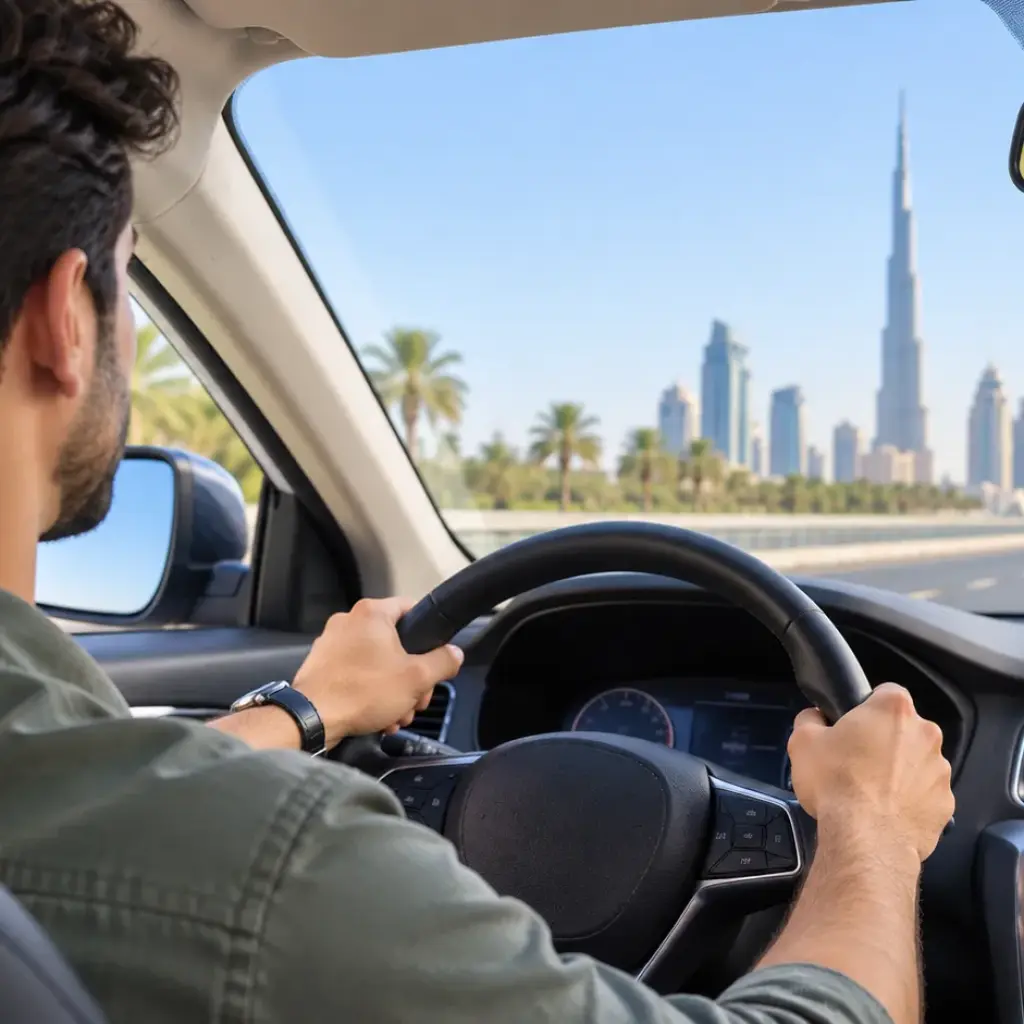
Motorists in the UAE will soon receive driving licences with tiered validity periods ranging from one to ten years, under new federal traffic regulations that take effect on 1 January 2027.
The rules are set out in Cabinet Decision No. 174 of 2026, which puts into practice Federal Decree-Law No. 14 of 2024 on traffic regulation. They cover how long a licence stays valid, the minimum age for each vehicle category, and the conditions for getting or renewing a licence.
How long will your licence be valid?
Validity depends first on age, and then on nationality and residency.
- Under 21:Licences are temporary and valid for one year, with the option to renew for one more year.
- First-time applicants aged 21 or above: Licences are valid for two years.
- After that stage (on reaching 21, or on renewing a first adult licence):
- UAE nationals and citizens of Gulf Cooperation Council (GCC) countries receive ten-year licences.
- Expatriate residents receive five-year licences.
Both the ten-year and five-year licences can be renewed for equivalent periods.
Minimum age for each category
The regulations recognise eight categories of licences and permits, with minimum ages between 17 and 21.
- Light vehicles: 18 years
- Heavy vehicles: 20 years
- Light or heavy buses: 21 years
- Light or heavy mechanical equipment: 20 years
- Motorcycles (Category 1): 17 years
- Motorcycles (Category 2): 21 years
The 17-year minimum applies only to the first motorcycle category. It does not extend to ordinary cars, for which applicants must be at least 18.
What you need to get or renew a licence
Applicants must hold a valid Emirates ID, meet the minimum age, pass the required driving tests, pay the prescribed fees and prove they are medically fit to drive.
Medical fitness must be confirmed by a report from an approved healthcare authority that is accepted by the licensing authority. It must show that the applicant is physically, visually and mentally capable of driving and has no illness or disability that directly affects safe driving.
People of determination are exempt from the standard medical-fitness requirement and are covered by separate regulations suited to their circumstances.
Healthcare authorities will also coordinate with licensing authorities to share information about people who develop medical conditions that may affect their ability to drive. Licensing authorities can propose additional medical standards after consulting healthcare bodies, but these need approval from the Federal Traffic Council.
Who can drive without a UAE licence?
Members of the armed forces, security services and police can drive vehicles belonging to their organisations without a civilian licence, as long as they hold a driving permit from their competent authority.
Drivers of vehicles registered and licensed abroad may also be exempt when those vehicles are themselves exempt from UAE registration and licensing. They must hold a valid licence from the relevant country, or a recognised international driving licence, for the duration of their permitted stay, whether in transit, on a visit or on a specific assignment.
Visitors who can drive on foreign licences
Four categories of visitors can drive light vehicles and motorcycles without a local licence, provided they hold a valid foreign or international licence and are in the country for purposes other than residence:
- Nationals of countries that have signed bilateral agreements with the UAE recognising each other’s licences
- Holders of licences issued by countries exempted through Cabinet decisions
- Holders of valid international driving licences
- Holders of licences issued by GCC countries
These permissions apply only during the visitor’s authorised stay and do not automatically extend to expatriates who live in the UAE.
Source: Gulf News