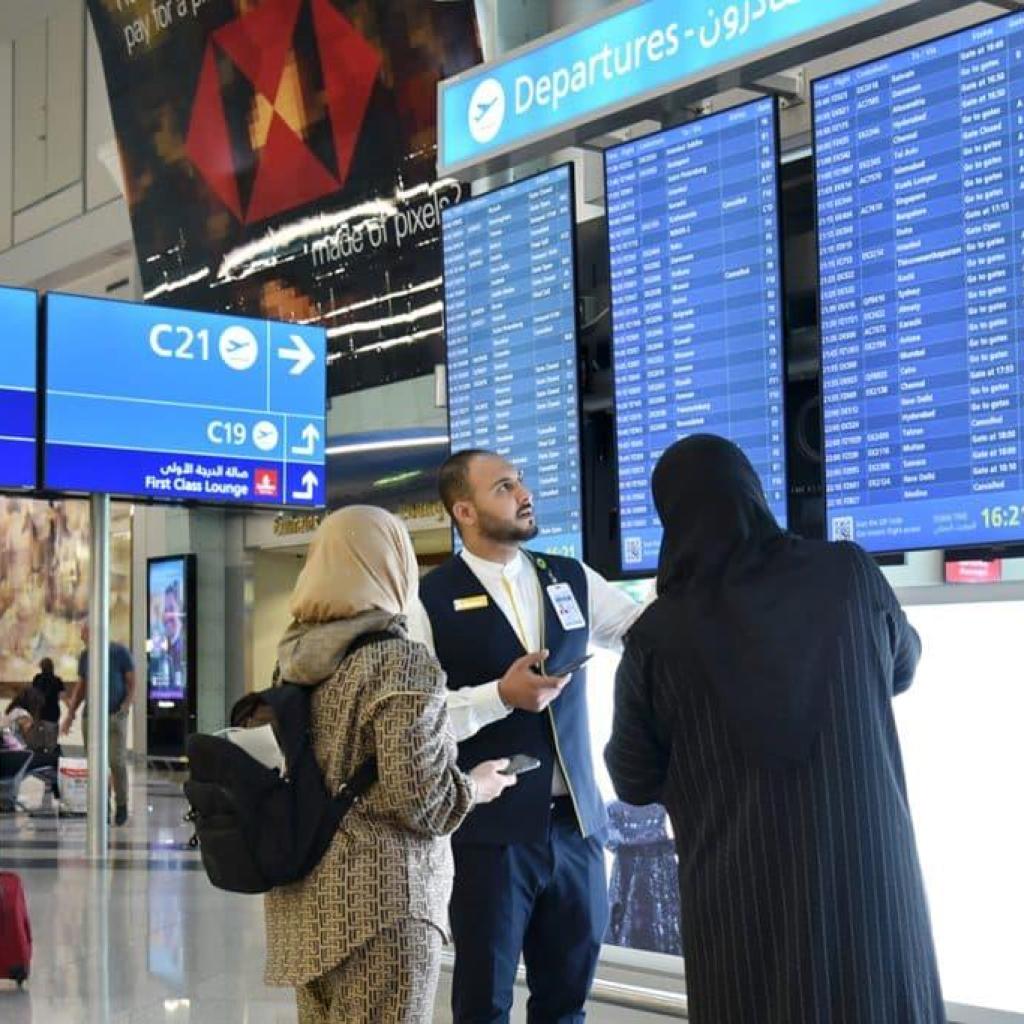
Dubai, UAE: As flight disruptions disrupt travel plans across the UAE, more residents are opting for travel insurance to safeguard their trips. The surge in demand reflects growing uncertainty — from unexpected cancellations to volcanic ash clouds and last-minute reroutings — prompting many to treat insurance as a must-have rather than a luxury.
According to data from a major regional insurance marketplace, queries for travel-insurance policies jumped 45% in the fourth quarter of 2025 compared to the same period last year. The spike coincides with the upcoming peak travel window — including the UAE’s National Day, winter holidays, and a busy travel season — making comprehensive coverage especially appealing.
What’s Driving the Surge?
The immediate trigger has been a series of recent flight disruptions. Natural events — including volcanic ash affecting air corridors between the Gulf and South Asia — forced airlines to cancel or reroute flights at short notice. Many travellers ended up scrambling for alternate transport, rebooking costs, or additional overnight stays.
Such unpredictable disruptions have made travellers more cautious. Today’s booking behaviour often includes early travel-insurance signups, with buyers paying close attention to cancellation, delay, and interruption clauses — especially for trips planned during busy periods.
As one industry executive put it: individuals are increasingly viewing travel insurance as essential protection, not an optional add-on.
Who’s Buying — and What They Want
The largest share of new buyers falls in the 28–45 age group, many of whom travel regularly for leisure or to visit family abroad. This demographic often books tightly scheduled itineraries — flights, hotels, tours — and prefers non-refundable arrangements. For them, travel insurance offers a safety net against unexpected losses.
Demand is not limited to conventional holidays. More people are opting for adventure travel — hiking, wildlife trips, remote destinations — and solo travel, including among women. Such trips carry higher risk, so buyers increasingly look for comprehensive policies that include:
- Trip cancellation or interruption protection (for events like volcanic ash, weather disruptions, strikes, airspace closures)
- Flight-delay and missed-connection coverage (meals, hotel, rebooking)
- Medical and emergency assistance abroad
- Baggage loss or delay protection
- Cancel-for-Any-Reason (CFAR) coverage — appealing to travellers needing flexibility in uncertain times
Broader Trends: Insurance as a Travel Essential
Data shows the trend isn’t just a short-term reaction. For the first four months of 2025, travel-insurance quote requests rose by 32% compared with 2024 — demonstrating a steady shift toward insurance adoption.
Industry experts say this increase is part of a wider change in traveller mindset. With global instability, unpredictable weather, rising airfare costs and increased claims across medical, baggage, delay and cancellation categories — travel insurance is now seen as a critical travel companion.
Despite rising costs, many say the peace of mind insurance brings is worth the relatively small premium hike (insurance costs have increased by roughly 12–18% year-on-year, in line with global medical and travel risk trends).
What Travellers Should Check Before Buying
As more people purchase coverage, experts advise paying attention to:
- Coverage scope for flight cancellations or delays — especially those triggered by weather, volatile airspace, or operational disruption.
- Medical and emergency assistance cover, especially for travel to destinations with high healthcare costs.
- Baggage and baggage-delay protection, especially during peak travel months when airports are under stress.
- Policy clauses for trip cancellation or interruption, which are useful when flights are cancelled, routes altered, or unexpected crises (natural or political) force changes.
- Flexibility features like Cancel-for-Any-Reason (CFAR) for greater adaptability in uncertain times.
What It Means for UAE Travellers
For many UAE residents, travel — overseas trips, family visits, holiday vacations — is integral to life. Rising uncertainties around flights, airspace closures, global events, and surging travel demand mean that travel insurance is no longer optional; it's a practical necessity.
The growing awareness and early adoption of such policies indicate a behavioural shift. Rather than risking large non-refundable expenses or unplanned costs, travellers are increasingly treating insurance as part of their trip budget.
Looking ahead, insurers expect demand to stay strong — especially through 2025’s winter holidays, school breaks, and holiday travel peaks. With that, travellers are strongly advised to compare policies, understand coverage details, and make informed choices.
A good policy may not prevent disruptions — but it can at least cushion the financial blow when plans go awry.
Image credit : arabianbusiness.com